multi-language support will pulsecode integration streamline processes?
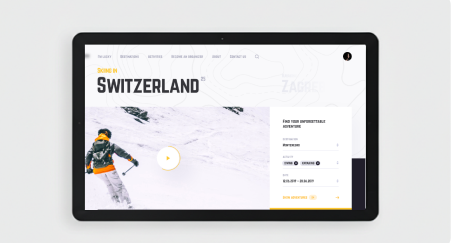
Starting along the venture of application creation can feel overwhelming, but with a structured approach, you can successfully navigate from initial concept to a polished product ready for launch. First, clarify your app's core duties. Conduct thorough industry examination to understand user needs and identify potential openings. Next, build a talented team of developers, designers, and project managers who have expertise in your chosen platform.
- Formulate a comprehensive blueprint outlining key milestones and deadlines.
- Improve the app through persistent examination.
- Deploy your app to relevant marketplaces, and highlight it to reach your selected demographic.
Take note, the success of your app hinges on providing a engaging experience. Focus on constant enhancement based on user commentary to ensure its sustainability.
Basic Principles of Pulse Code Modulation
Pulse Code Modulation serves as the fundamental mechanism underlying the transmission and conversion of analog signals in the digital realm. This procedure, akin to taking a snapshot of an analog signal at regular intervals, transforms continuous waveforms into discrete numerical values. Each value, representing a clear point on the waveform, is then relayed as a binary code, supporting digital systems to competently handle and manipulate information originally carried in analog form.
- Accordingly, Pulse Code Modulation has become an critical component of modern communication systems, enhancing everything from telephone networks to high-definition video streaming.
- Its resilience in the face of noise and interference makes it a preferred choice for applications where signal integrity is paramount.
Developing Modern Websites: A Guide to Web Development
Creating a modern website involves a blend of creative vision and technical expertise. Begin your journey by opting for the right platform, whether it's website builders like WordPress or custom-built solutions. Apprehending HTML, CSS, and JavaScript is critical for organizing the graphical elements and providing a seamless user experience.
Don't neglect the power of flexible design, as your website should naturally adapt to various devices, from desktops to smartphones. Utilize interactive elements like animations and interactive code to boost user engagement.
Testing is important throughout the development progression to locate any bugs or effectiveness issues. Periodically renew your website with fresh content and design changes to keep it relevant and captivating.
Cutting-Edge Web Visuals: Shaping the Future of Online Experiences
The digital landscape develops persistently, influenced by cutting-edge tools. Web design, at the vanguard of this evolution, illustrates these trends in notable ways. From simple modern visuals to intelligent design tools, the future of web design promises to be cutting-edge.
- Designers are
- futuristic paradigms
- intended for designing
- websites that feel
- personalized and valuable.
This unfolding change is shaped by multitude of elements, including shifts in consumer habits. As we navigate into the digital age, web design will play an increasingly important role in building a more responsive online world.
Unlocking the Power of Mobile Apps: A Developer's Toolkit
In today's dynamic mobile landscape, developers have access to a comprehensive toolkit designed to design innovative and captivating applications. From leading-edge frameworks like React Native and Flutter to versatile development languages such as Swift, Kotlin, and Java, developers can exploit these tools to generate mobile experiences that hold users. A well-equipped developer's toolkit should encompass not only the basic programming languages but also a range of packages that expedite the development process, allowing developers to emphasize on building creative features and functionalities.
- Popularity of Versatile Coding
- Wireless App Design Principles
- Blending with APIs
That Art and Science of Web Development
Web development embodies a fascinating blend of creative artistry and rigorous scientific principles. While designers center around the visual look, developers create the underlying framework that brings websites to life. This intricate relationship requires a unique set of skills, from understanding in-depth coding languages like JavaScript and Python to mastering the intricacies of user experience (UX) design. A skilled web developer must be both a innovative thinker and a logical problem solver, constantly seeking new ways to improve operation.
In conclusion, the art and science of web development create a powerful synergy that results in engaging, functional, and visually stunning websites.
From Internet to Rapid Transit: Exploring the Domain of Web Development
The world of web development is constantly transforming. From the foundational building blocks of HTML and CSS to the cutting-edge toolkits like React and Angular, developers are always testing the thresholds of what's achievable. This dynamic landscape offers a wealth of gateways for those who intend to build innovative and engaging online journeys. Whether you're interested in user interface , back-end, or the increasingly popular integrated approach, there's a niche waiting to be targeted.
- Explore into the mesmerizing world of web development.
- Expose the latest innovations shaping the future of the web.
- Connect with other passionate developers and innovators in the field.
Crafting Compelling User Interfaces: The Key to Web Success
A carefully crafted user interface forms the foundation in achieving web success. When users browse a website that is both visually appealing and functionally streamlined, they are more likely to explore. This causes in increased user contentment, which ultimately drives conversions and development.
- Crafting a attractive UI involves investigation of the target audience, their desires, and industry best practices.
- Incorporate clear navigation menus, intuitive layouts, and appealingly pleasing elements to optimize the user experience.
- Regularly inspect the UI with real users to receive feedback and make necessary adjustments.
Do not forget that a well-crafted user interface is not just about aesthetics, but also about usability – ensuring users can easily carry out their tasks and browse the website with minimal effort.
Leveraging JavaScript for Dynamic Web Experiences
JavaScript supports the creation of vibrant web experiences. By applying JavaScript into your web pages, you can inject dynamic behavior and revamp static content into something truly fascinating. From natural animations to instantaneous updates, JavaScript enables a world of possibilities for crafting web applications that are both practical and enjoyable to use.
- JavaScript can be used to authenticate user input, ensuring data integrity and augmenting the overall user experience.
- Applying JavaScript for event handling allows you to create agile web pages that react to user engagements.
- With JavaScript, you can obtain data from external sources in real time, keeping your web content modern.
Forming Responsive Websites: Adjusting to Any Screen
In today's digital landscape, wherein users engage with content on a broad range of devices, crafting responsive websites has become important. A responsive website seamlessly reshapes its layout and content to facilitate a great user experience despite of the screen scope. Through versatile layouts, visual adjustments, developers can guarantee that websites appear smoothly on any hardware, from desktops to smartphones and tablets.
- Consequently, it's required for website owners to allocate on elasticity to engage with a broader audience.
- Also, responsive design advances website SEO indexing.
The Evolution of Web Technology: Trends and Innovations
The web has evolved dramatically since its inception, evolving from simple text-based pages to a complex ecosystem of interactive applications and immersive experiences. Pioneering iterations focused on static content delivery, but the introduction of technologies like Hypertext Markup Language ushered in an era of dynamic and user-engaging web interaction.
Today, we see a uptick of innovative trends shaping the future of the web. Artificial intelligence(AI) is transforming how websites are built and controlled, enabling personalized information and automated processes. Blockchain technology offers secure and transparent data management, paving the way for decentralized applications and new business models.
Virtual reality(VR) and augmented reality(AR) are blurring the lines between the physical and digital worlds, creating immersive dimensions that engage users on a deeper level. Cloud computing has become essential for hosting and scaling web applications, providing businesses with stability.
- Besides, the rise of smart gadgets has necessitated a shift towards responsive web design, ensuring that websites are accessible and user-friendly across a range of screen sizes.
- Lastly, ongoing advancements in network technology are paving the way for faster load times, seamless interactions, and new possibilities for real-time collaboration.
 web develop