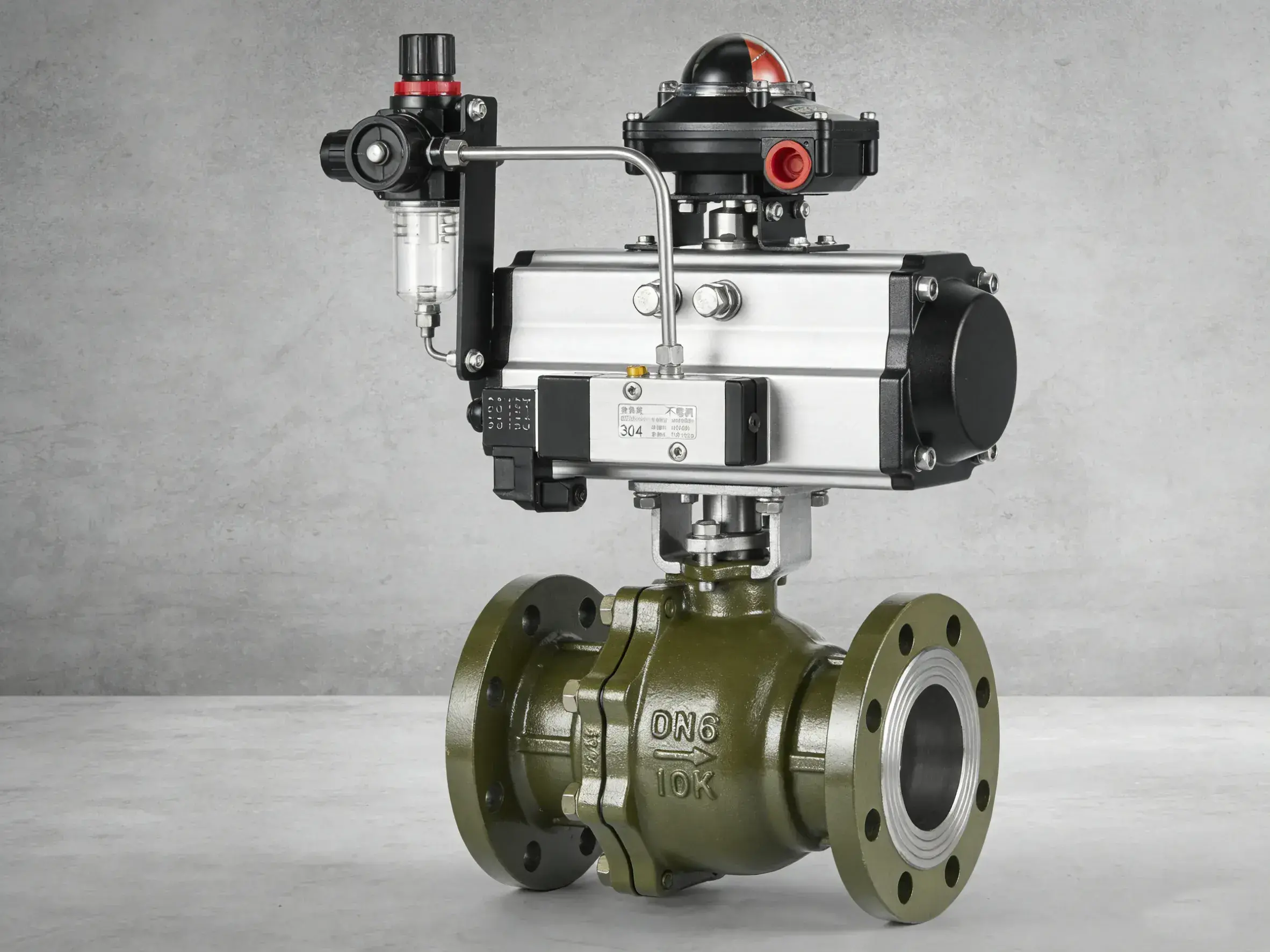
integration ready fast switching solenoid valve options?
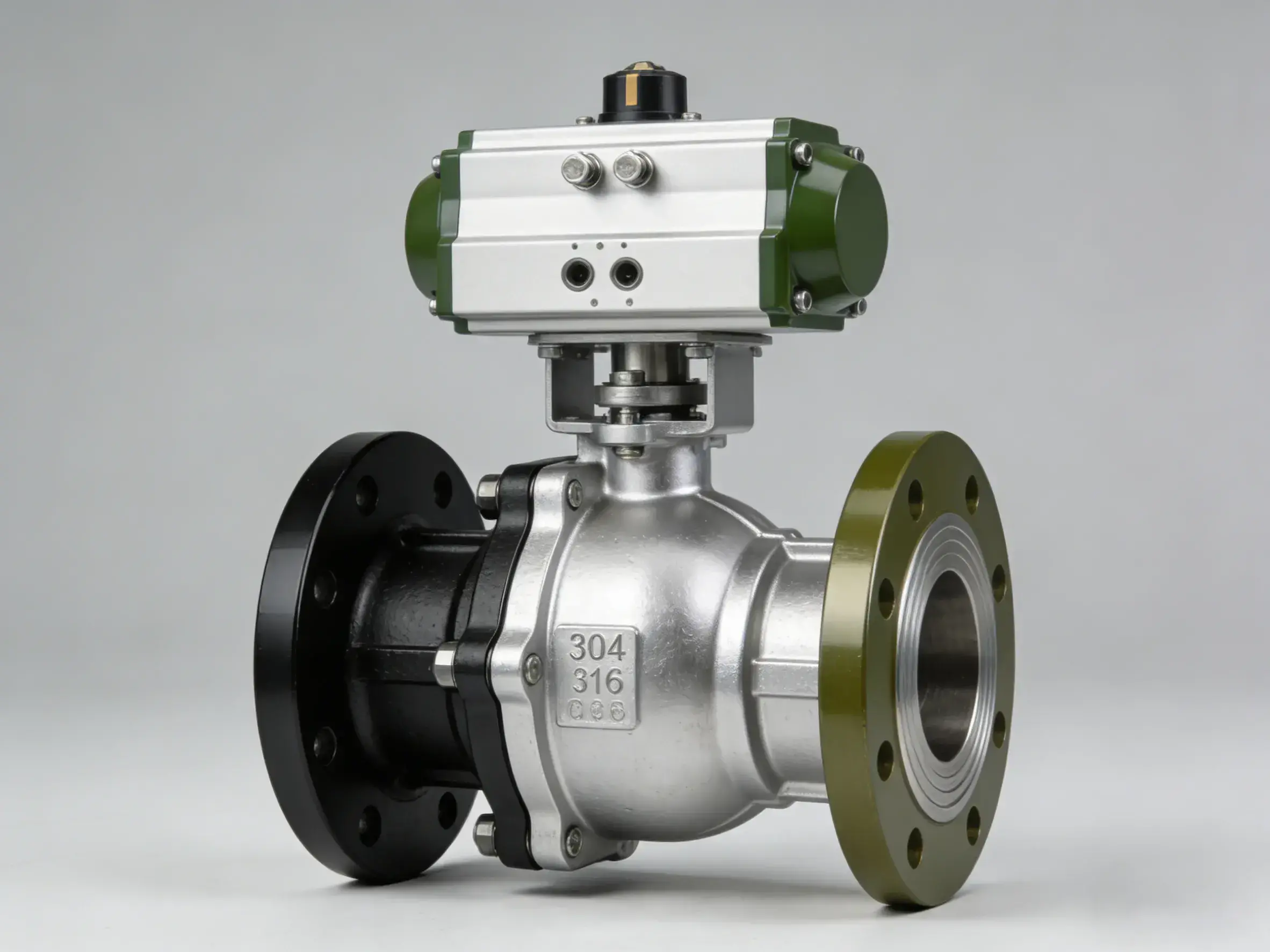
Important industrial valve picking increases efficiency and entire system effectiveness. To ensure optimal operation, it is crucial to meticulously choose valves that conform to system necessities.
A comprehensive valve selection guide should consider a array of variables like fluid properties, force magnitude, thermal parameters, flow amount, and steering demands. Additionally, recognizing the required valve drive type like pneumatic, hydraulic, or electric is necessary.
Extensive Survey on Butterfly Valve Effectiveness
Identifying key effectiveness indicators for butterfly valves is vital for experts aiming at dependable and efficient system operation. This review investigates key considerations impacting butterfly valve operation, involving structural traits, usage environments, and assessment techniques. Through a thorough examination of these aspects, this article aims to provide a comprehensive understanding of the factors that contribute butterfly valve performance.
- Configuration elements significantly affect comprehensive effectiveness
- Constituent elements of valve frame considerably impact lifespan in versatile workplace situations
- Flow restriction is a vital factor in assessing butterfly valve efficiency, particularly under high throughput demands
Ball Valve Applications in High-Pressure Systems
Ball valves stand out as a reliable choice for managing high-pressure applications. Their simple design incorporates a spherical ball with a port that rotates to control the flow of fluids. This construction effectively handles high-pressure conditions thanks to its tight sealing.
In industries such as oil and gas, ball valves play a critical role in handling high-pressure pipelines. Their resilience appoints them capable of braving the effect of heightened pressure matter.
- In addition, ball valves provide speedy activation, supporting timely flow management.
- Presented in multiple constituents and scales, ball valves modify to accommodate specific requirements of various raised pressure operations.
Grasping Various Valve Classes and Their Purposes
Throughout fluid mechanics, valves undertake a key role administering fluid and gas streams. Opting for the right valve category is critical for achieving optimal operation. Valves organize depending on their operability, blueprint, and implementational field. Popular valve classes incorporate gate, globe, check, ball, and butterfly samples. Each group demonstrates characteristic factors, enabling them for tailored deployments. For illustration, gate valves control flux entirely, while globe valves ensure accurate modulation of amount. Check valves avoid backward movement, maintaining one-way travel. Ball valves ensure prompt and steady open/close action, while butterfly valves function efficiently in high flow volumes.
Enhancing Fluid Regulation via Industrial Valves
Managing flow rates constitutes a vital factor in varied industrial operations. Industry valves hold a decisive position in managing liquid and vapor streams across frameworks. Applying relevant valve styles coupled with tactical control schemes assists organizations in augmenting process performance, risk reduction, and quality results.
A significant subject in boosting flow adjustment involves familiarity with several valve functions. Varied valve patterns correlate with specialized flux properties, burden scopes, and deployment surroundings. Specifically, globe valves repeatedly operate for flow control, while ball valves perform well in on/off switching.
To maintain exact flow governance, one must evaluate criteria including valve scale, operating mechanisms, and regulation setups. Implementing advanced control technologies, like programmable logic controllers (PLCs), can allow for automated flow monitoring and adjustment, further enhancing process performance.
Periodic maintenance of valve equipment is essential for minimizing defects and supporting steady fluid control. Noticing immature issues rapidly supports minimizing expensive stoppages and maintaining consistent functionality of key procedures.
Maintenance Best Practices for Industrial Valves
Periodic care of operational valves is necessary to guarantee continual and robust activity in production environments. A thorough servicing schedule has to be developed, containing recurrent evaluations to identify uncertainties before major disruptions take place. Periodic greasing of valve parts observing maker's recommendations considerably raises operational timeframe and diminishes resistance. On top, maintaining valves cleared of debris facilitates effective productivity.
A comprehensive maintenance program should also include documentation of all activities performed on the valves, including dates, personnel involved, and parts replaced. This meticulous record-keeping helps track valve performance over time and facilitates informed decision-making regarding future maintenance needs.
Utilization of Automation in Valve Control
Automated solutions have evolved valve functionality in diverse industries. Adopting automated mechanisms permits improved valve supervision, cutting down on manual operations and enhancing workflow effectiveness. Automatic valve control provides numerous advantages such as improved precision, lowered stoppages, and enhanced security
- Monitoring equipment assumes indispensable parts in electronic valve systems, sharing real-time updates on valve state. These data get interpreted by regulatory mechanisms to proactively regulate valve operations
- Process control architectures generally administer automatic valve actions, providing sophisticated steering techniques. These systems can monitor valve performance, identify potential issues, and execute corrective actions
Besides, robotic valve handling advances superior process observation. Compiling valve operational info aids managers in obtaining key insights to refine productivity and reduce outlays
Vital Safety Aspects in Valve Installation
Upon placing industrial valves on premises, stern safety rules must be enforced. Neglecting these precautions can lead to severe accidents, potentially resulting in property damage and even personal injuries. A meticulous hazard evaluation must occur before assembly to discover possible threats and apply effective safety controls.
Guarantee all workers engaged in setup operations receive sufficient instruction and accreditation related to valve control and adherence to safety protocols. Establish a routine schedule of periodic checks to detect any wear or issues affecting valves. Store precise files including all assembly, survey, and maintenance processes for continuous tracking
- Follow suitable business criteria and legislation supervising valve establishment and operation
- Utilize appropriate tools and equipment designed for industrial valve installations
- Engage collaboratively with all associates participating in the assignment to maintain protected and efficient implementation
Valves: Essential Components in Process Industries
In the detailed territory of processing/production/industry settings, valves operate as key constituents. They perform regulation of liquid movement across detailed constructs, enabling effective operations and protection. Valves get deployed throughout extensive tasks, encompassing supervision of temperature levels and pressures along with product conveyance
- Different valve categories arise, each devised to handle specific duties. Regular examples comprise gate, ball, and globe selections
- Opting for valves accounts for factors like throughput rate, pressure magnitude, heat level, and substance category
- Dependable valve operations remain critical in manufacturing contexts to avoid interruptions and guarantee output standards
Frequent evaluation of valves is crucial for enhancing durability and avoiding prospective malfunctions
Advanced Materials in Valve Design and Manufacturing
The enhancement of valve making and design predominantly emerges from sustained adoption of high-tech materials. These novel substances offer a range of superior properties compared to traditional alternatives, enabling engineers to create valves that are more efficient. Some key examples include high-performance ceramics used for their strength in demanding environments, and lightweight alloys that maximize performance while minimizing weight. The integration of these advanced materials results in valves with improved sealing characteristics, increased lifespan, and enhanced resistance to corrosion
Controlling Valve Motion: A Comparative Review
{This investigation delves into the diverse valve actuation mechanisms prevalent in modern engineering applications|This exploration examines the varied valve drive technologies common in contemporary engineering Y-Type Filter Manufacturer uses|The study analyzes the mixed valve triggering systems typical in current engineering projects|This research evaluates the assorted valve motion methods widespread in advanced engineering scenarios|The survey inspects the multiple valve control techniques existing in up-to-date engineering solutions|This review considers the assorted valve operating mechanisms encountered in present-day engineering environments|This analysis explores the various valve activation systems found in progressive engineering implementations|The inquiry scrutinizes the heterogeneous valve act