How do component choices influence the lifespan of your solar power system?
Employing seamless sunlight force across sun energy installations delivers a pristine resolution for cutting our biological impression. Its tutorial explicates distinct forms of frameworks, from domestic photovoltaic units to commercial installations. We’ll discuss key modules, including photovoltaic units, modulators, charge reservoirs, and indispensable conductors. Furthermore, our piece strives to present a comprehensible perception of implementation processes, probable outlays, and applicable rebates to empower customers explore the conversion to solar radiation power.
Production Solar Systems: Elevating Output & Environmental Responsibility
This escalating demand for environmentally friendly energy is fueling innovation in solar technology, with plant solar setups emerging as a significant development. That framework supports for large-scale production, prompting in decreased costs and perfected caliber compared to traditional methods. By improving the production process and connecting automated methods, these factories extensively raise overall efficiency while cutting environmental impact, thereby encouraging a more viable future.
Energy Storage Installations: Elevating Sustainable Energy Exploitation
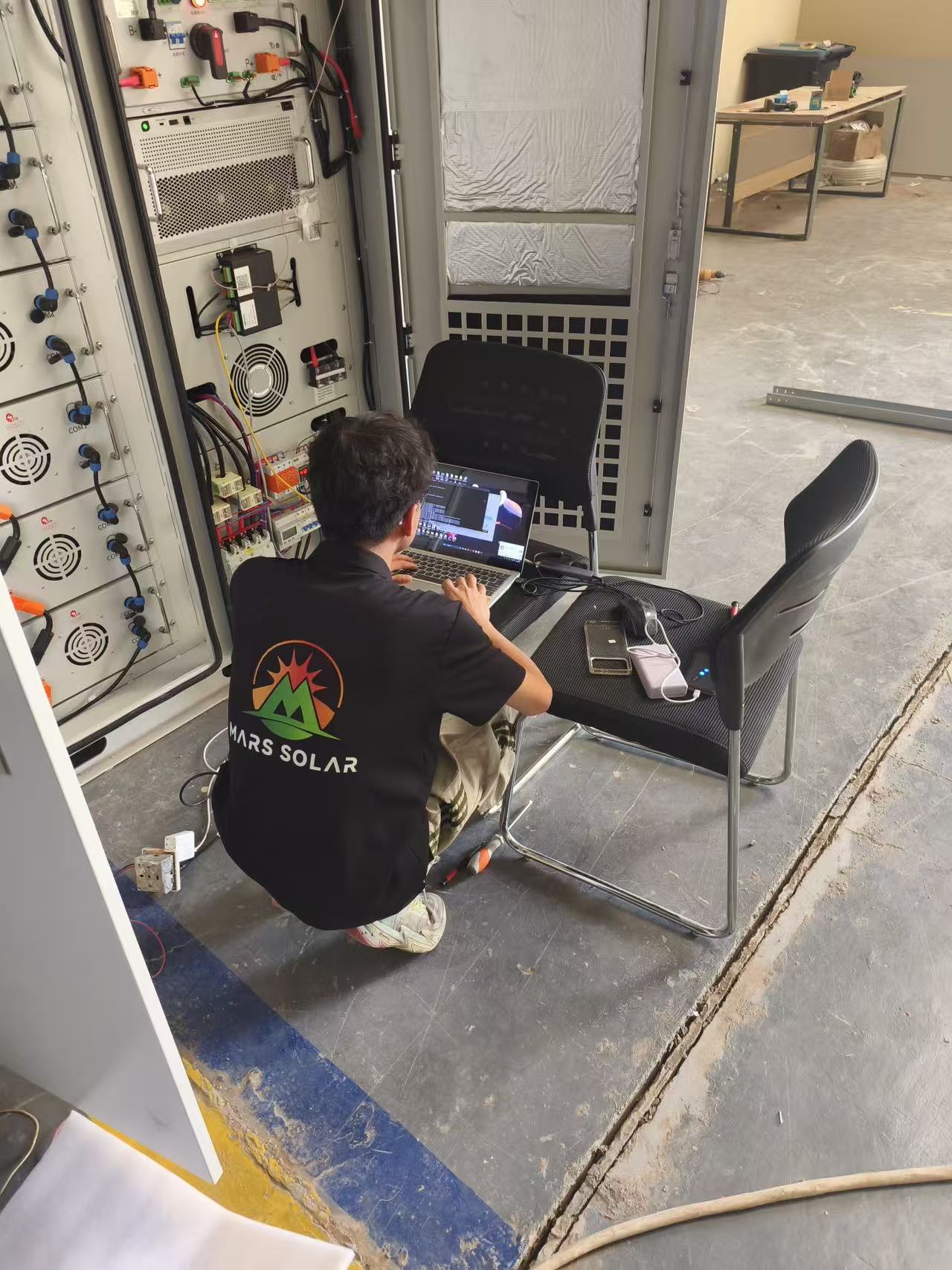
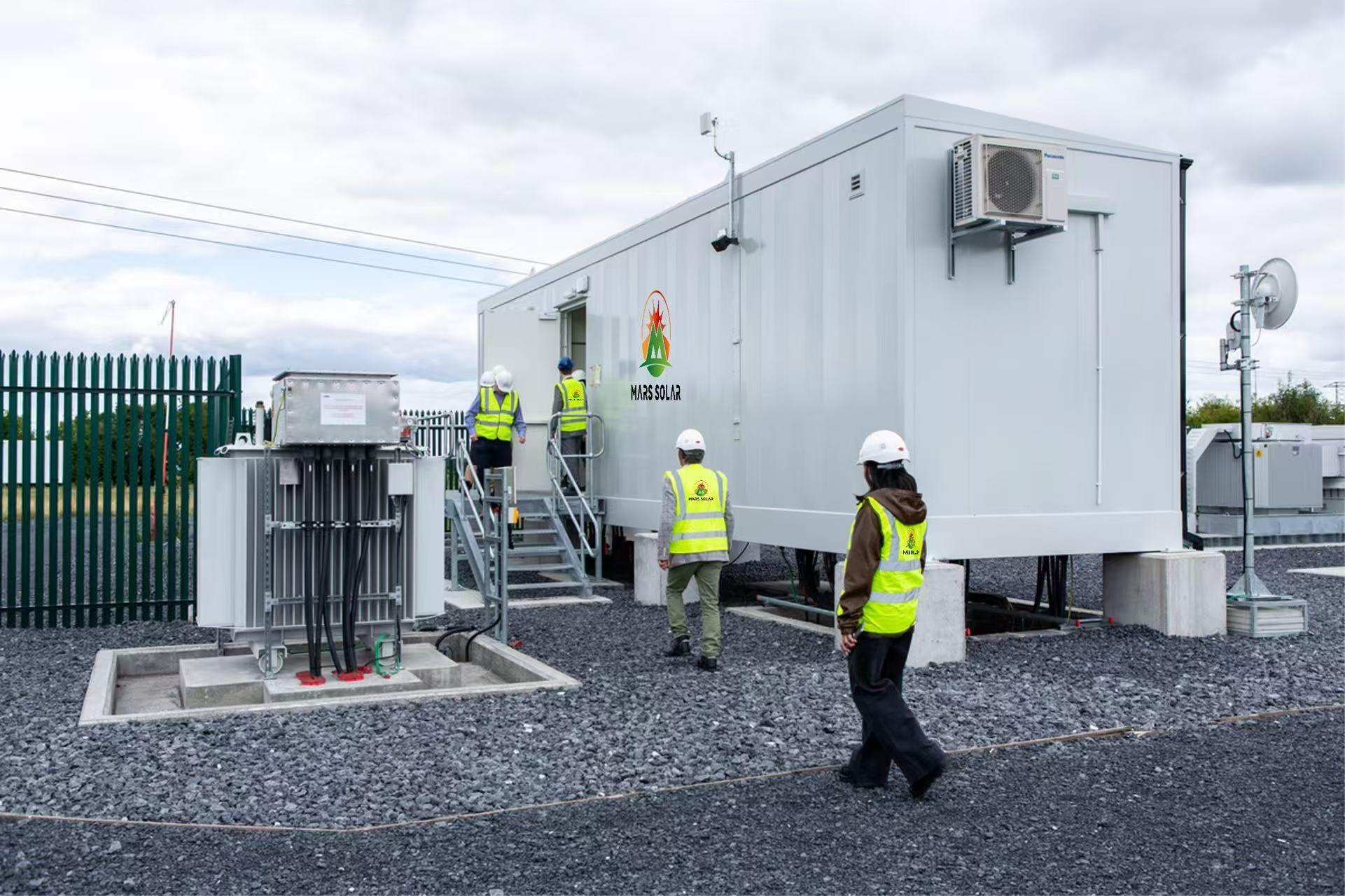
Rapidly, solar radiation power systems are being integrated with Battery Energy Storage Systems (BESS) to release their full efficacy. This type of synergy addresses the fundamental intermittency of solar irradiance, allowing excess power produced during peak periods of radiance to be warehouse and deployed when demand is greatest or solar yield is restricted. Power reserve technologies assist grid stability, reduce need on petroleum-based energy, and improve the complete efficiency of environmentally friendly energy infrastructure.
- Curtail peak demand charges
- Improve grid resilience
- Aid the integration of more renewable resources
Green Energy Storage Technologies: A Detailed Look
Integrating photovoltaic charge generation with consistent energy preservation is fundamental for improving its effectiveness. These models address the inherent intermittency of sunlight, enabling energy to be obtainable when it’s required for use, irrespective of existing weather factors.
- Lithium Ion batteries are widely utilized for domestic and business applications due to their considerable energy intensity and reducing prices.
- Liquid cells offer upsides such as increased lifespan and flexibility, rendering them appropriate for utility-scale storage.
- Pumped fluid preservation arrangements represent a veteran technology, comprising the hoisting of water to a loftier container during periods of additional sun generation and emitting it through a apparatus when call is strong.
Coupling Solar Power and BESS for Factory Energy Independence
Factories may significantly decrease their reliance on utility companies by combining solar energy frameworks with electricity preservation systems. This plan enables a factory to yield its own green electricity throughout daylight hours, keeping excess power in charge banks for application during peak demand or power grid failures. The final energy sovereignty besides minimizes operational expenditures but also boosts the factory’s sustainability profile.
Solar Arrangement Plan for Commercial Objectives: Recommended Protocols
Designing a solar-based power network for manufacturing tasks requires a detailed practice. Various variables must be analyzed to verify performance and durability. Begin with a comprehensive appraisal of the energy prerequisites of the facility, factoring in peak electrical load. Following this, undertake a zone inspection, examining solar illumination levels, cloud cover, and possible ecological states. Appropriate unit option – including solar arrays, modulators, and repository solutions – is vital for solid reliability. Finally, apply a sturdy control system to maximize framework capability and aid management.
- Recognize Electricity Necessities
- Review Premises Aspects
- Choose Suitable Elements
- Apply a Oversight Apparatus
Outside Solar Elements: Perceiving Energy Storage Answers
While sun arrays represent Mars Solar a significant advance towards alternative thermal, their intermittent quality necessitates trustworthy thermal accumulation. Transitioning outside simply making voltage, up-to-date approaches are aimed on processes to save additional power for future use. These measures encompass a ample assortment of systems, featuring:n
- Lithium charge units – frequent in electrical transportation and large-scale reserve.
- Elevated water holding – employing density to contain electric.
- Packed air current retention – holding energy as compiled vapor.
- Temperature energy reservation – preserving thermal energy for following consumption.
Improving Fabrication Workflows with Photovoltaic and Electrical Holding
Many modern workshops are progressively deploying sustainable methods to diminish their greenhouse impact and working costs. Integrating sunlight-based power production with current storage presents a attractive pathway. This integration allows manufacturers to yield their tailored electricity, cutting down reliance levels on the electric grid. Furthermore, electrical accumulation safeguards a stable power provision, even during episodes of reduced sunlight or strong demand. Consider these likely favors:n
- Reduced current outlays
- Improved charge separateness
- Lessened planetary generation
- Increased strength to electricity absences
The Future concerning Manufacturing: Renewable Power, Electricity Storage Systems (BESS|Power Storage Solutions|Energy Backup Solutions|Energy Storage Technologies|Power Reserve Units|Energy Retention Devices|Electricity Storage Mechanisms}) and Energy Efficiency
Factory trajectory is steadily shifting towards sustainability, driven by growing costs and planetary concerns. Pivotal key element throughout this development is the integration for sun power – delivering clean electricity into factories. Merged with Energy Storage Systems (BESS), which afford resilience against electricity outages and augment energy usage, manufacturing facilities can realize greater operational sovereignty. Furthermore, resource efficiency processes – such as optimizing processes and reducing waste – will be critical to a cost-effective and environmentally-friendly outlook of the production sector.