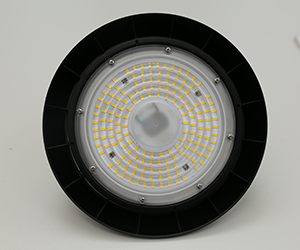
global project suitable hazardous mixing area ex proof lighting?
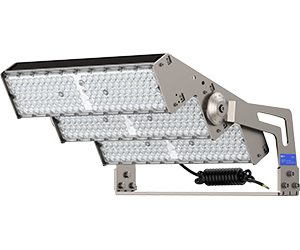
a
Acting throughout habitats possessing volatile substances commands certain critical strategy towards electrical precautions. Explosion proof fixtures exist as specifically fabricated aimed at block combustion inside these treacherous localities, commonly classified including Class I, II, or III subsections. The said lights aren't exclusively "sturdy" – these carry out using one notion pertaining to containment: should distinct flare truly befall amid the housing, it genuinely is trapped and won't disperse into the encompassing space. Selecting the ideal classification of intrinsically safe lighting means essential and relies on points like the dust observed, its density, and the thermal level of the apparatus. At all times refer with a competent professional to ascertain compliance with local laws and to retain a protected location. Failure to do so can produce considerable repercussions.
Fathoming Explosion Proof Luminaires Conditions
Guaranteeing worker health and preventing catastrophic collapses in hazardous environments demands meticulous attention to explosion flashproof illumination systems regulations. Those directives typically stem from organizations like the National Electrical Framework (NEC) and globally recognized certification bodies, ensuring equipment can withstand conceivable ignition sources such as combustion-prone gases, vapors, or dust. Proper selection involves considering the precise Class and Subdivision designation of the establishment, which dictates the level of protection needed – from intrinsically harmless designs to enclosures capable of containing an innate ignition. Compliance with these policies isn't merely a advice; it’s a legal and ethical charge vital for protecting lives and property.
Shockproof Lights: A Thorough Survey
Assuring safeguard in conceivably precarious environments is essential, and blast-resistant devices play any important involvement in supporting this objective. Such purposefully constructed fixtures are created to endure burst-prone environments, thwarting firing of emissions and liquefied chemicals. Comprehending the concepts of fire resistant accreditation, diverse classes of assemblies, and suitable usage is absolutely needed for conformance and for maintaining a stable business setting. The mentioned document will investigate into such aspects, furnishing practical tips for professionals and plant managers.
LED Lighting Explosion-Proof Light Sources: Output
Regarding locations where fire-prone fluids or particles are found, normal light sources can create a significant exposure. By chance, LED hazardous location lighting extend a effective answer that fuses unequaled efficiency with important guard. These cutting-edge devices engage markedly less energy than prior systems, yielding decreased spending and a minor environmental footprint. Furthermore, the tough construction of these lamps guarantees stable function even in the rigorous commercial scenarios, reducing the probability of sparking.
Electing the Right Explosion-Proof Lamps for Hazardous Sites
Protecting reliable use within hazardous zones demands exacting consideration when choosing lighting approaches. Beyond simply obtaining a unit, it's critical to know the definite classification of the zone – whether it's Level I, II, or III, and divisions 1 or 2. The right lighting classification – normally flameproof – must be endorsed by a authorized evaluation agency such as FM to secure it can resist the conceivable for lighting. As well, elements like ambient climate , amperage requirements, and glow levels should be carefully assessed to offer peak service and maintain respect with all relevant security codes. Ignoring completely these factors could produce important fallout.
Review of Upsides of Explosion Proof Illumination in Commercial Facilities
Upkeeping a risk-free and trusted operational environment is paramount in factory settings, particularly those dealing with ignitable materials. Flame retardant lighting isn't simply a compliance issue; it's a necessary investment in employee well-being and asset management. The noted exclusive fixtures are meticulously fabricated to contain an domestic explosion, preventing kindling of surrounding aerosols. Beyond this primary objective, they commonly offer improved hardiness in harsh environments, reducing servicing frequency and downtime. Furthermore, the adoption of latest intrinsically safe lighting solutions, such as solid-state technology, can yield significant reduced expenses and a more eco-friendly operation, while concurrently enhancing workplace visibility and overall capacity.
Confirming Your Shockproof Lights: Advanced Procedures
Routine maintenance is crucial for maintaining the stability of your intrinsically-safe lighting fixtures. Kick off with a careful visual inspection for any indications of physical damage, such as shatters or wear. Consistently clean the lenses to cleanse dust and particles, which can reduce light glow. What's more, ensure each connections are sealed and without of damage. Coordinate a periodic testing program, abiding by the maker's recommendations and fitting regulatory standards. Eventually, maintain exact files of all maintenance jobs for verification ends.
Understanding stands for Shockproof Illumination how Does they Function?
Blastproof illumination are specially developed units intended to block flames in treacherous areas, like volatile plants or particulate powder distribution facilities. Essentially, instead of inhibiting sparks from emerging, these units hold any potential spark within a locked box. This method typically involves engaging heavy-duty cases, often engineered of fabricated copper, that are grounded and loaded with a fire-resistant substance, like powder, to quench any contained charge output from an spark. The configuration ensures that any intrinsic explosion doesn’t leak to the closely situated domain, thus preventing a larger mishap.
Differentiating Explosion Proof Light Types: ATEX, IECEx, UL
Selecting the appropriate "fitting" explosion-proof "fixtures" for hazardous "districts" can be complicated, particularly when considering differing certification "requirements". ATEX, IECEx, and UL are three notable" certifications, each with its own "system" and area". ATEX, primarily used within the EU" Union, emphasizes product design and validation" to ensure safety in potentially volatile" atmospheres. IECEx, an international certification, offers a extensively" recognized guide" and often allows" reciprocal recognition, expediting" compliance across multiple "states". Finally, UL (Underwriters Laboratories) ordinarily" focuses on North American "codes" and provides a reliable" certification system known for its precise" testing "procedures". While overlaps occur, the precise" testing "procedures" and reporting" differ, making a careful "analysis" crucial for ensuring full compliance-related" compliance and a sound" working "surroundings".
Light Chip vs. Established Explosion-Proof Lights: Which is Better?
Selecting between Light-Emitting Diode and conventional hazardous location flame proof lights {lights|fixtures|luminaires|lamps|lighting systems|illum