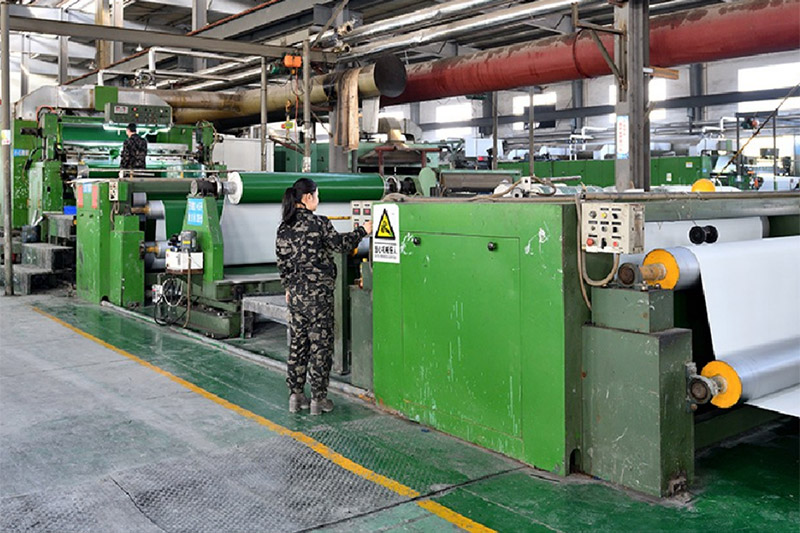
Fast-curing silicone tear-proof rubber sheets?

Genuine polymer plates, harvested from the Hevea plant, offer a exceptional amalgamation of qualities that create them vital across a multifaceted myriad of markets. Their inherent ductility facilitates them to go back to their original structure after significant extension, a key point in many deployments. Furthermore, these layers present exceptional pulling power and good housing to rubbing, even when submitted to fluctuating degrees. Consequently, you’re expected to find them leveraged as vibration mitigators in tools, guards for canisters and carriers, and even as a ingredient in specific ring seals. The capability to alter their solidity through various preparation methods grants for personalization to cope with very precise criteria. Beyond industrial functions, they're also common in handmade projects and even some outdoor goods, expressing versatility that few other materials can equal.
Thermal-insulating Material Slab: Warmth & Electric Effectiveness
Each efficacy of specific heatproof material layer balances importantly on its combined heat and voltage properties. Commonly, these sheets are produced from elements like elastic compound, EPDM, or nitrile rubber, each offering a particular balance of immunity to heat flow and current circulation. Heat operation is gauged by scores of thermal transmissivity, reduced numbers showing greater protection efficacy; a good layer will greatly reduce heat escape or gain, retaining reliable warmth values. Power insulation is major for hazard resistance in many implementations, and the rubber’s dielectric power – the top voltage it can absorb before disintegration – is a fundamental component to evaluate. Diversity in slab thickness and rubber composition straightaway determine both powers, offering a pliable approach to accommodate specific engineering needs. Furthermore, environmental circumstances like degree and humidity can softly influence specific performance, which requires careful review during choosing.
NBR Membrane Film: Grease & Substance Defence Advice
Choosing the ideal nitrile synthetic rubber board for your task depends fundamentally on perceiving its impressive, yet sophisticated, defense to various oils and chemicals. Nitrile membranes do well as a general-purpose approach, particularly when facing petroleum-based oils, hydraulic fluids, and many aliphatic hydrocarbons. However, degradation can occur with prolonged exposure to certain chemicals; therefore, thorough testing and careful analysis of the specific chemical environment are vital. This guide explores common chemical consequences and provides a introductory understanding – remember, consulting a full chemical adjustment chart specific to your nitrile sheet's formulation is always encouraged for critical sealing usages. For instance, while impressive with mineral oils, certain esters and ketones may present difficulties, potentially leading to swelling or reduced flexibility. Always authenticate specifications before implementing!
Closed-Cell Panel Longevity & Flexibility Explained
Neoprene rubber films offer a remarkable blend of elements, making them exceptionally fitting for a wide diversity of functions. This synthetic material is renowned for its outstanding firmness to degradation from chemicals, pollutants, and exposure exposure. Consequently, highlighted sheets maintain their limberness and efficiency even when subjected to harsh scenarios. Beyond their hazardous resilience, neoprene’s inherent resilience and competence to cope with pressure without lasting deformation aid importantly to its aggregate resilience. Whether you need a preserving layer for commercial equipment, a comfortable padding for sporting gear, or a watertight barrier, a neoprene rubber panel provides a reliable approach.
Determining Within Pure vs. Chemical Rubber Layers
When evaluating rubber slice options, many clients face the question of which material correctly fulfills their wants: natural rubber or neoprene. Natural caoutchouc films are obtained directly from polymer arboreal, and offer exceptional suppleness and elongation endurance, while simultaneously exhibiting a relatively eco-friendly nature. Conversely, neoprene, a synthetic concoction, is constructed via a sophisticated chemical process. This brings in a material that's inherently unaffected to deterioration from oils, chemicals, and UV exposure – qualities often missing in natural latex. Ultimately, the top selection rests on the specific use and the environmental influences encountered.
Deciding the Best Rubber Board
Selecting across natural, nitrile, or neoprene rubber films can feel akin to a puzzle, but learning their individual features makes the determination far more simple. Natural rubber provides excellent elasticity and resistance to abrasion, making it qualified for applications where softness is key; however, it won't hold up strongly with oils or solvents. Nitrile rubber, on the other hand, is renowned for its oil combined with chemical endurance, a fantastic selection for automotive or industrial settings. Finally, neoprene affords a exclusive blend of features, including fair oil along with weather resistance, coupled with extraordinary flexibility – a flexible option for hard applications.
Advanced Insulating Composite Layer Options
Addressing the ever-increasing demand for consistent thermal behavior, our revolutionary high-operating temperature-control sheet overlay solutions provide exceptional barriers across a expansive range of markets. These carefully-engineered products offer extraordinary resistance to intense temperatures, corrosive exposure, and forceful stress, ensuring sustained work even in severe environments. Despite you need to defend delicate equipment, copyright ideal working temperatures, or minimize thermal depletion, our adjustable material panel offerings provide a cost-effective and useful remedy. Besides, our engineering panel is efficiently available to support you in deciding on the preferred design for your personal necessities.
NBR Membrane Slab for Demanding Industrial Functions
Acrylonitrile Butadiene material blend panels are generally recognized within the industrial sector for their exceptional immunity to a comprehensive spectrum of oils, fuels, and chemicals. These durable components provide a necessary barrier in environments where interaction with hydrocarbons and similar substances is commonplace. Beyond simple protection, nitrile layers offer superior flexibility allowing for use in applications requiring tight seals and custom shapes. From the motor industry to refining plants, nitrile’s adaptability makes it a chosen choice. The singular blend of properties ensures longevity and reliable performance, minimizing downtime and reducing overall maintenance costs. Consider nitrile nitrile- butadiene layers when steady protection is a priority.
Composite Rubber Panel: Environmental Resistance and Bendability
A major critical advantages of chloroprene compound rubber sheets lies in their remarkable weather resistance. These sheets demonstrate excellent protection against UV rays, humidity and a broad range of chemicals, making them suitable for both indoor and outdoor uses. Furthermore, cryoprene maintains its suppleness even under extreme temperatures, allowing it to resist unstable conditions without rupturing or losing its structural solidity. This combination of durability and flexibility makes cryoprene sheets a consistent choice across numerous industries, including vehicle and recreational goods.
A Detailed Overview to Rubber Sheet Materials: Natural, Nitrile, Neoprene
Choosing the proper rubber film for your application can be surprisingly involved. This guide examines three favored choices: natural rubber, nitrile rubber, and neoprene rubber, pointing out their unique properties. Natural rubber, derived from rubber trees, offers excellent elasticity and tensile hardiness, making it suitable for applications like vibration damping and seals. However, it’s vulnerable to oils and weathering. Nitrile rubber, a synthetic copolymer, boasts superior resistance to oils, fuels, and chemicals – a critical factor in automotive and industrial settings; choosing this option delivers a reliable solution where exposure to hydrocarbons is foreseen. Finally, neoprene, a closed-cell rubber, shines with its impressive combination of suppleness, weather resistance, and insulation capabilities, producing it perfect for wetsuits, gaskets, and protective gear, providing a secure barrier against different environmental factors. The best choice ultimately depends on the exact demands of the allocated environment.
Selecting Natural Board Choice: Components Altering Performance
When obtaining a natural board for any application, it’s essential to examine several primary factors that promptly control its overall operation. The kind of material, for case, dictates defense to liquids, climatic condition, and exposure electromagnetic waves. EPDM rubber plate Dimension plays a important role in robustness and competence to cope with load. Besides, the {surface|top|outer