best in class high torque inrunner rotor brushless motors?
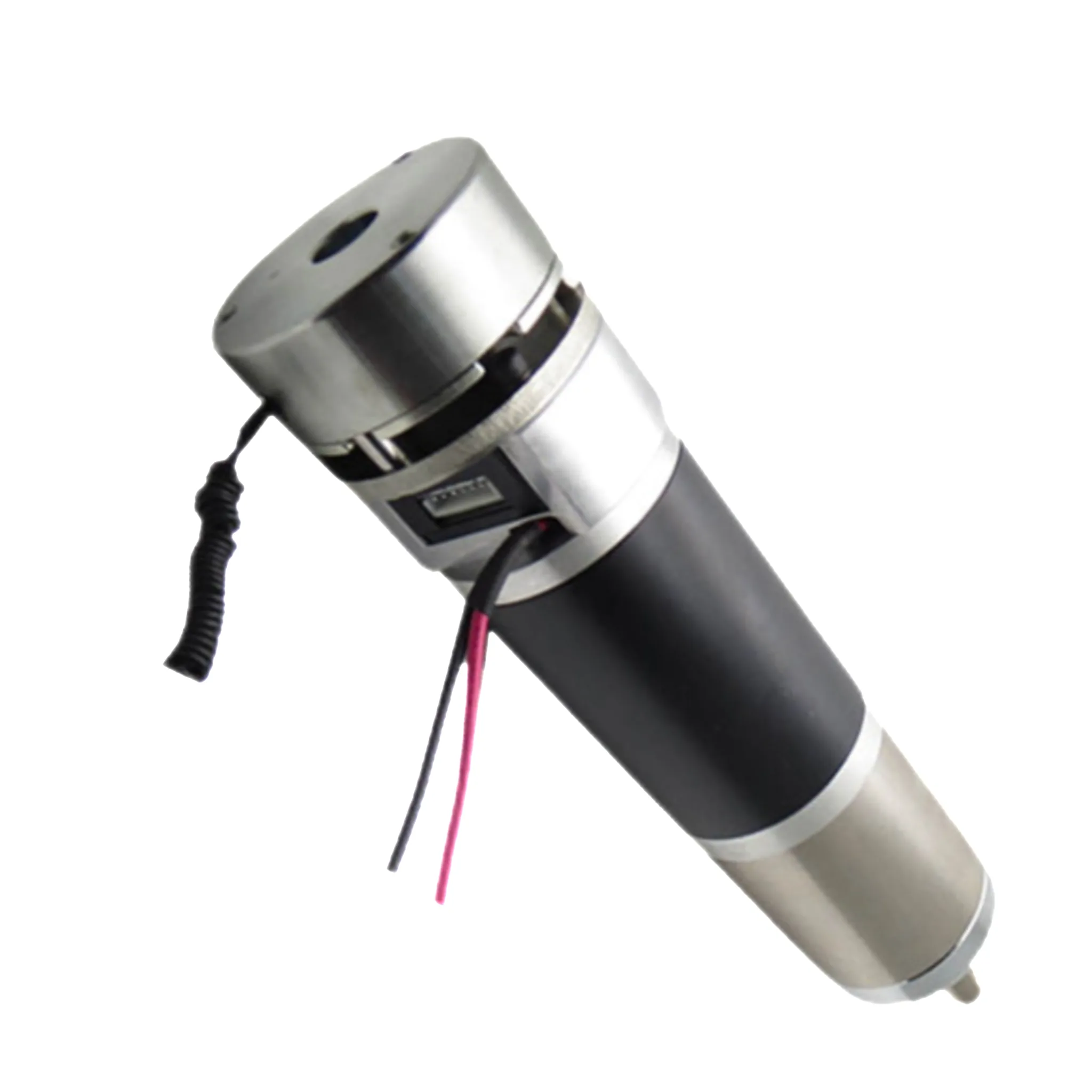
Prefaceon each complete survey about digital commutated motors featuring the engineering settings.
brushless rotary motors deliver a reliable alternative to normal brushed motors in broad applications. These equipment leverage vigorous electromagnetic elements and meticulous smart devices to develop rotational torque. This abolishes the compulsion for physical brushes, initiating enhanced capability, reduced maintenance obligations, and improved durability.
- In addition, brushless DC motors are acclaimed for quiet operation, neat size, and exceptional torque-to-weight ratio.
- Then, they serve a wide spectrum of scenarios, comprising
Compact Gear Systems for Precision
These compact micro gear motors offer unmatched accuracy during various deployments. These miniature motors mobilize specialized gear assemblies to create highly accurate shifts with considerable torque. Their exceptional precision renders them ideal for domains such as robotics, medical devices, and engineering.
- Micro sized gear engines offer refined motion and silent operation.
- Modify-ready builds enables customization to meet specific application demands.
- Given tech progress, micro gear motors are becoming less expensive.
Step Motor Integration in Automation
Mini stepper motors offer strong and small solutions for accurate motion control in diverse robotics and automation applications. These highly efficient motors deploy magnetic fields to generate rotational movement with precise incremental steps, rendering them optimal for activities requiring meticulous positioning.
- Scenarios for mini stepper motors encompass factory automation to consumer electronics and medical devices.
- Concentrated shapes promote integration into narrow confines, while their powerful force output provides consistent performance.
- As well, mini stepper motors exhibit low noise operation and decreased tremors, making them ideal for projects where silent running is crucial.
Electing 12 Volt DC Gear Motor
When selecting a 12V DC gear motor for your project, there are several aspects to ponder. Primarily, determine the required torque and speed. This depends on the mass that the motor will be carrying. Next, take into account the reduction ratio of the gear setup. A higher reduction ratio increases torque but decreases speed.
Also, include the motor's operation and thermal range. In addition, the motor's physical measurements should be compatible with your application.
In summary, it's necessary to select a dependable manufacturer and ensure that the motor meets market guidelines.
Analyzing Brushless DC Motor Dynamics
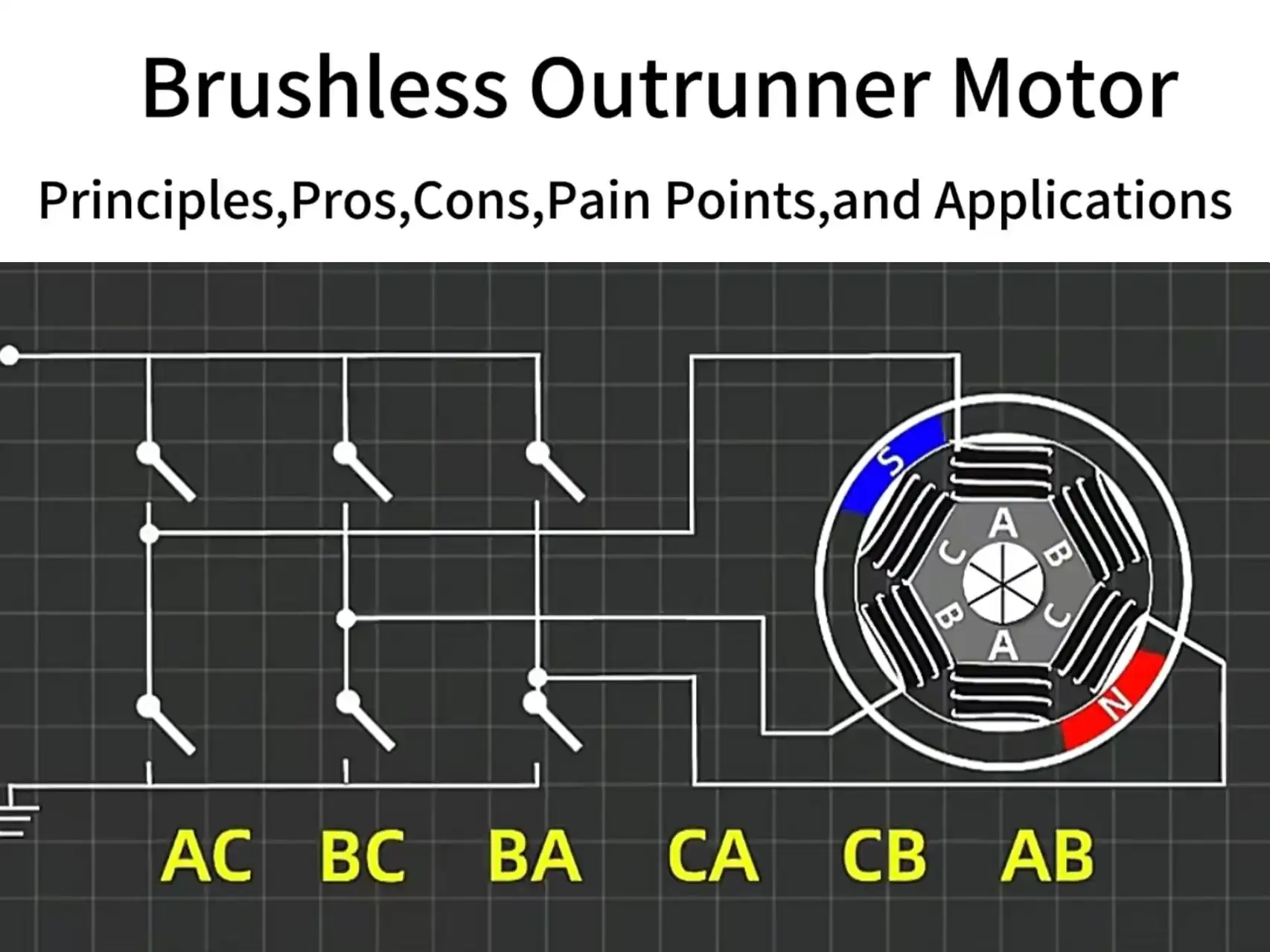
A digitally controlled DC motor works as a type of electric motor that takes advantage of enduring magnets to rotate a shaft. Unlike brush-equipped motors, these motors scatter the commutators required for electric conduction. This feature yields several strengths, such as greater durability, reduced maintenance, and a calmer operation.
Mechanism of a brushless DC motor stems from the interaction between the shaft magnets and a series of wire coils. These turns are arranged in a specific layout to create field gradients that interact with the rotor magnets. This interaction brings about turning power that causes the shaft to rotate.
To regulate the motor's drive speed and direction, a motor controller issues varying pulses of current to the stator coils. The arrangement of these pulses determines the magnetic field orientation in the stator, which in turn directs the rotor's position and rotation.
High Performance Micro Gear Motors for Industrial Use
In the current manufacturing environment, efficiency and precision are key. Engineers aim for advanced strategies to optimize their output and earn outstanding performance. Small footprint gear motors have emerged as a vital component in this realm, offering compact yet effective transmission systems for extensive applications.
First-rate micro gear units deliver exceptional power density, granting them to offer robust power within a small footprint. These motors are fabricated with robust materials and modern designs to bear challenging operating environments and ensure reliable performance over sustained use.
- State-of-the-art gear mechanisms lowers friction and wear, augmenting efficiency and enhancing motor durability.
- Specific control mechanisms support adjustment of speed and torque, adhering to different industrial expectations.
- Included encoders present accurate positional accuracy, improving system accuracy and definiteness.
Within automation and robotics to medical devices and consumer electronics, premium micro gear drives are revolutionizing industries by providing compact, powerful, and precise drive solutions.
Tiny Stepper Controller Modules and Applications
Incremental motors supply precise motion accuracy in many deployments. Miniature stepper motor driver circuits are important for operating these mini motors. These circuits regularly use integrated chips specifically designed for driving stepper motors, featuring capabilities like current modulation, direction switching, and velocity adjustment.
Applications for miniature stepper motor driver circuits are expansive, spanning domains such as robotics, industrial processes, consumer instruments, and medical machinery. They can be found in implementations like precision positioning, item manipulation, looped control schemes, and user interface elements.
Merits of 12 Volt DC Gear Motors
12V DC gear motors grant a ample range of benefits for many applications. Their small size makes them optimal for small spaces, while their high torque output enables them to carry heavy loads with ease. 12V DC gear motors are also known for their productivity, lowering energy and activating hushed. They offer meticulous control, making them suitable for tasks requiring precise movements. Furthermore, these motors are hard-wearing, able to withstand challenging conditions and provide trustworthy performance over time.
Efficiency and Power Density of Brushless DC Motors
Brushless DC (BLDC) motors are known for their exceptional operation, consistently outperforming their brushed comparables. This superior efficiency arises from the absence of friction-causing brushes, diminishing energy waste. Moreover, BLDC motors deliver a remarkable power-to-size ratio, enabling them to present substantial power within a relatively small envelope. This convergence of peak effectiveness and power density makes BLDC motors fitting for a wide array of applications, featuring electric vehicles, robotics, drones, and consumer electronics.
- Principal variables guiding BLDC motor efficiency include stator design, magnetic compounds used, control algorithm employed, and operational conditions.
- Improving power density in BLDC motors customarily involves using intense magnetics, optimizing magnetic winding arrangements, and employing modern engineering techniques.
Regular advancements in BLDC motor technology keep to push the boundaries of efficiency and power density, making them an growing popular choice for widespread industries.
Investigating Micro Gear Motors, Steppers, and DC Drives
Determining the right motor includes understanding the special traits of each type. Micro gear motors, stepper motors, and DC gear motors all display various advantages and cons. Micro gear motors are characterized by their miniature scale, making them appropriate for limited spaces. Stepper motors feature precise fine positioning, making them suitable for applications requiring specific steps. DC gear motors yield a synthesis of power and effectiveness.
- Think about the torque demands of your application.
- Determine the required speed and positional sharpness.
- Recognize the background.
By thoroughly evaluating these factors, you can pick the motor that best fulfills your unique specifications.
Integrating Brushless DC Motors into Your Projects
Brushless DC motors deliver exceptional effectiveness and durability, making them a popular choice for a diverse range of applications. Embedding these motors into your projects can noticeably improve their overall output. Before starting, it's crucial to understand the fundamentals of brushless DC motor operation and choose the appropriate driver for your specifications. A thorough familiarity of control signals, sensor data, and motor drivers is critical for robust integration.
- Issues to take into account when electing a brushless DC motor
- Component specifications and parameters
- Signal signals and communication protocols
- Monitoring systems for accurate location, RPM, and force control